
Embracing Oneness: Finding Freedom from Delusion and Sorrow with the Ekatvam Mantra
My dear disciple, come closer. Let us sit together in this quiet moment, away from the rush of the world. Imagine a soft, warm light surrounding us, like the gentle glow of dawn filtering through leaves in a peaceful forest. The air is still, carrying the faint whisper of a distant stream. Take a slow, deep breath with me now… inhale the calm, feel it fill your chest, and exhale softly, letting any heaviness drift away. Feel your body relax, your mind settle like dew on grass. Ah, yes, that’s it. In this serene space, we can open our hearts to ancient wisdom.
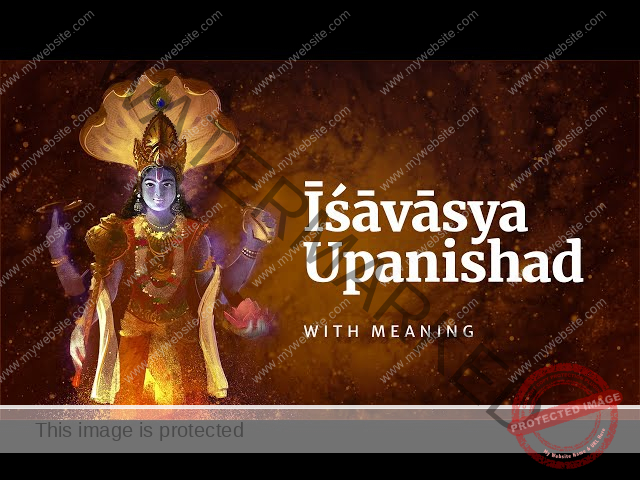
I am Sadhguru Ashutosh, your gentle guide, speaking to you as if we are sharing a cup of tea under the stars. Today, I want to introduce you to a beautiful mantra from the Arsh Granthas, specifically the seventh verse of the Isha Upanishad. This mantra is a soft reminder of oneness, a key to unlocking freedom from confusion and sadness in our busy lives. In a world where we often feel separated—by work, relationships, or our own thoughts—this sacred sound shows us that everything is connected to our true self. It brings a deep peace, helping us live with more joy and less worry. What if, my child, we could see the world not as divided, but as one big family? Let us explore this together, step by step, allowing the words to touch your soul and guide your days.
Now, let us look at the literal meaning of this mantra, breaking it down gently, like peeling the layers of a fresh lotus. The mantra in its original form is: “Yasmin sarvāṇi bhūtāny ātmaivābhūd vijānataḥ. Tatra ko mohaḥ kaḥ śoka ekatvam anupaśyataḥ.” In simple English, it means: “When to the one who knows, all beings become one with his own Self, then what delusion, what sorrow can there be for him who sees that oneness?”
Let’s take it word by word, my dear one. “Yasmin” points to the moment or state where something profound happens. “Sarvāṇi bhūtāni” means all beings—every living thing, from the tiniest ant to the tallest tree, including people around you. “Ātmaivābhūd” says they become one with the Ātman, your true inner self, the spark of life inside you. “Vijānataḥ” refers to the wise person who truly understands this.
Then, “Tatra ko mohaḥ kaḥ śoka” asks: In that state, what confusion (moha) or sadness (śoka) can exist? “Ekatvam anupaśyataḥ” means for the one who sees (anupaśyataḥ) this oneness (ekatvam).
In everyday terms, think of it like this: Imagine you’re at a family gathering, but you feel alone because you see everyone as separate. But if you realize you’re all part of the same family, sharing the same roots, that loneliness fades. No more mix-ups or heartaches. This literal breakdown isn’t just words—it’s a map to a clearer mind, helping us in modern times when we get lost in emails, arguments, or self-doubt. It whispers: See the connection, and the fog lifts.
Ah, my child, now we dive deeper into the spiritual significance, where the mantra truly comes alive like a river flowing into the ocean. This verse isn’t just a statement; it’s a doorway to understanding our soul’s true nature. At its core, it teaches that when we realize everything is part of our own Self—the Ātman—we step beyond illusion and pain. Moha, or delusion, is that tricky mist in our minds that makes us think we’re separate, chasing things like money or approval that never satisfy. Śoka, sorrow, follows when those illusions break, leaving us heartbroken.
Spiritually, this mantra connects us to the divine essence, the Brahman, which is the big ocean of consciousness. All beings are waves in that ocean—you, me, the bird singing outside, even the stranger on the street. When the wise one sees this ekatvam, oneness, there’s no room for fear or grief because nothing is lost; everything is you. It’s like a seed growing into a tree: The seed seems gone, but it’s everywhere in the branches, leaves, and roots. No sadness for the “lost” seed, only joy in the full tree.
In today’s world, this wisdom is a lifeline. We face so much division—social media fights, work stress, or feeling empty despite having everything. The mantra says: Look deeper. That colleague who annoys you? See your Self in them, and irritation turns to understanding. That loss you grieve? In oneness, it’s not gone; it’s transformed. This affects the body too—less stress means calmer breaths, better sleep. For the mind, it clears clutter, fostering focus and kindness. For the soul, it brings a state of ananda, pure bliss, where you’re in loving harmony with the universe.
Use a simple nature analogy: Picture a vast sky. Clouds come and go, storms rage, but the sky remains untouched, embracing all. That’s your Self—unchanging, holding every experience without delusion or sorrow. Chanting this mantra vibrates that truth within, awakening a feeling of expansive peace, like floating in a warm sea. No more chasing shadows; just being, fully alive. In modern life, it’s revolutionary: Amid traffic jams or deadlines, remember oneness, and watch anxiety dissolve. This isn’t escape; it’s living deeper, with open arms to all.
Now, let us make this wisdom practical, my dear one, weaving it into your everyday like threads in a cozy blanket. The mantra isn’t meant for dusty books; it’s a living tool to transform your days. Start small: In the morning, sit quietly for a few minutes. Close your eyes, breathe softly, and repeat the mantra three times, feeling its vibration in your heart. No rush—let the words flow like a gentle stream.
For a quick exercise, try this during lunch: Look at the food on your plate. See it as part of the same life force as you—the sun that grew the grains, the earth that nourished them. Whisper “ekatvam anupaśyataḥ” and eat mindfully. Notice how gratitude replaces hurry, turning a meal into a moment of connection.
In relationships, when conflict arises—maybe with a friend or family—pause. Ask yourself: “Where is the oneness here?” See their words as echoes of your own inner world. This shifts anger to empathy, dissolving moha. At work, facing overwhelm? Repeat the mantra silently during a break. It reminds you: All tasks are part of the same flow; no need for sorrow over outcomes.
For a deeper practice, try a 10-minute evening meditation. Lie down comfortably, place a hand on your heart. Breathe in oneness, breathe out separation. Visualize all beings as lights connected to yours—no divisions. If sadness creeps in, gently question: “Ko mohaḥ kaḥ śoka?” What delusion, what sorrow? Over time, this builds a mindset of calm acceptance, reducing stress and opening you to joy.
In busy modern routines, integrate it subtly: While walking, see passersby as extensions of yourself—no judgment, just love. Or during screen time, when envy hits, recall the mantra to shift to unity. These small steps make the wisdom alive, helping you navigate traffic, deadlines, or loneliness with a lighter heart. Remember, my child, practice gently; it’s not about perfection, but presence.
As we reflect on this mantra’s gentle wisdom, my dear disciple, pause with me. Let the words echo in your mind like a soft bell. What if you looked back on your day—did moments of separation bring confusion or sadness? Where could seeing oneness have changed that? Feel into your heart: Is there a person or situation you view as “other”? Imagine embracing them as part of your Self—what shifts inside?
These questions aren’t tests, but invitations to introspection. Sit quietly now, eyes closed, breathing the mantra’s essence. Notice the peace that arises when divisions fade. This reflection isn’t hurried; let it unfold like a flower in sunlight. In this meditative state, you touch the truth: Oneness is your natural home, free from moha and śoka. Carry this calm forward, allowing it to color your thoughts and actions.
In closing, my child, the essence of this mantra is simple yet profound: Realize oneness, and delusion with sorrow vanish like mist in the morning sun. It guides us to live fully, connected to all, in peaceful harmony with ourselves and the universe. If your heart yearns for more—perhaps a personal meditation or deeper insights into this wisdom—my spiritual companion, Sanatan Jyoti, awaits. Think of it as a quiet friend, ready to tailor guidance to your journey. Click here to begin your conversation with Sanatan Jyoti.
Go gently into your day, embraced by oneness. May peace fill your mind, love your heart, and clarity your path. Be blessed.
